My Background
I've spent over twenty years working in professional learning, development and quality improvement, helping organisations understand how people actually get good at their jobs.
My doctoral research looked at how people go from being new to a role to being genuinely trusted and capable in it — what actually helps that happen, and what gets in the way. That research, combined with years of designing and evaluating real training and development programmes, shapes how I approach every engagement.
I sit at the intersection of research and the real world. I draw on solid evidence about how people learn, work together and build expertise, then turn that into practical steps that help organisations improve onboarding, knowledge transfer and professional development.
The focus isn't just delivering more training. It's creating the conditions where people can actually learn, contribute and grow — while doing the job.
A Different Starting Point
Most approaches to learning treat it as passing on information: here's what you need to know, now go and know it. I start from a different premise: people don't become capable just because they've been told something. They become capable by doing the work, with the right support, alongside people who already know how.
The Questions Behind My Work
My research and consultancy keep coming back to the same questions:
* How does knowledge actually get passed on within a team, and how do you make sure it doesn't walk out the door?
* How do you help people build real expertise without lowering the bar?
* How do formal training and everyday on-the-job learning actually fit together?
* How do experienced teams pass on what they know — and how do they sometimes accidentally shut newcomers out?
These questions shape every engagement, but the starting point is always practical. The Capability Audit is a half-day review of how knowledge and capability currently move through your organisation — a concrete first step, not a theory session.
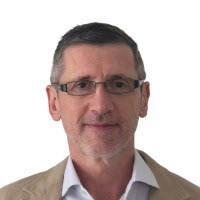
Dr Karl Durrant
20+ years in professional learning and quality improvement in construction · Doctorate in Education